
Long Road Home
Play Long Road Home
Long Road Home Screenshots















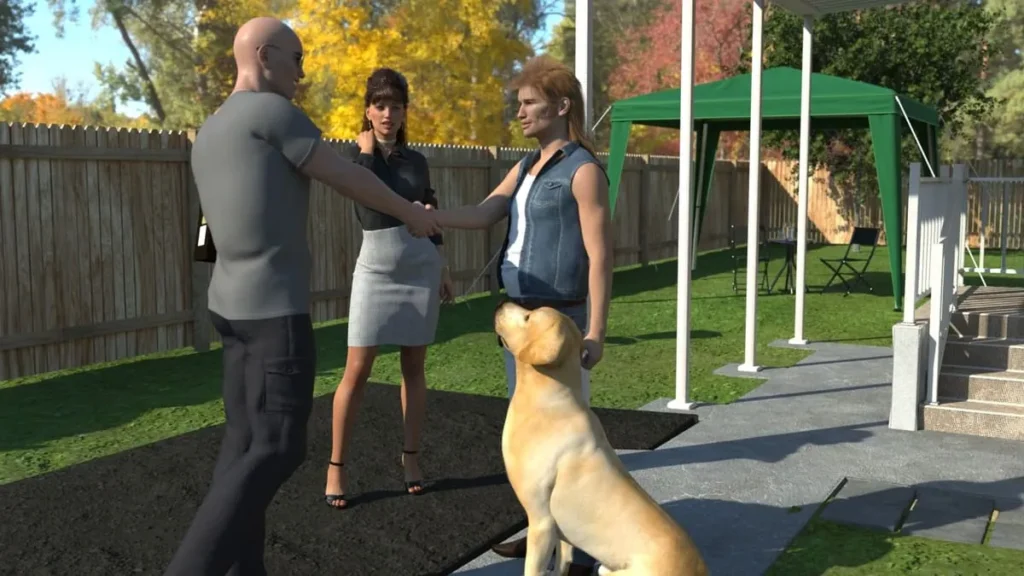










Long Road Home review
A deep dive into the narrative-driven experience that redefines choice-based interactive storytelling
Long Road Home stands out as a narrative-driven interactive experience that blends psychological depth with strategic decision-making. Released by OBDGames, this choice-based game follows a protagonist navigating life after prison, confronting rival biker clubs and complex relationships while managing limited resources. Unlike traditional interactive narratives, Long Road Home weaponizes your decisions—each choice permanently alters character relationships, unlocks story branches, and shapes your protagonist’s psychological state. With over 300 possible story outcomes and mechanics that reward creative problem-solving, this game transcends typical interactive fiction by making every decision feel consequential. Whether you’re drawn to character-driven plots, survival mechanics, or branching narratives, understanding Long Road Home’s core systems will enhance your journey through its emotionally complex world.
Understanding Long Road Home’s Core Narrative & Setting
Ever walked out of a door expecting freedom, only to find the heaviest chains aren’t made of steel? 😔 That’s the brutal, beautiful heart of the Long Road Home narrative. You step into the worn-out boots of a man finally released from the Kansas Federal Penitentiary, a character so vividly drawn you can almost smell the stale bus station air and feel the weight of a past that refuses to stay buried. This isn’t just a game about getting from point A to point B; it’s a choice-based interactive story that lives and breathes in the quiet moments of doubt and the explosive seconds of decision. Your ticket to freedom is really a ticket to a different kind of prison—one built from memory, trauma, and the desperate, aching need to belong somewhere, to someone, again.
This chapter is your map to that emotional landscape. We’re diving deep into the gritty asphalt and soul-searching silences that define this experience, exploring how its character-driven game plot and psychological depth storytelling create a journey that’s less about destination and more about the scars you earn along the way. 🏍️
The Protagonist’s Journey: From Prison to Freedom
The game doesn’t give your character a name for a reason. He is you, and you are him—a blank slate etched with pain. Your backstory is a ghost that haunts every conversation and colors every choice. You lost everything: family, future, a sense of self. The state says you’ve paid your debt, but the world outside the walls feels more alien and hostile than any cell.
“The hardest walls to break down aren’t made of concrete. They’re the ones you build inside yourself to survive.”
This is where the Long Road Home narrative truly shines. Your primary conflict isn’t with a cartoonish villain; it’s with your own history. The psychological depth storytelling manifests in subtle ways. A simple interaction with a waitress might trigger a memory flash of a daughter you’ll never see again, making you either painfully curt or awkwardly kind. The game tracks your emotional state, and these quiet, role-playing choices influence your mental resilience for bigger challenges later. Are you clinging to a shred of the man you were, or are you becoming something new—something harder, forged in loss?
The genius of this setup is that it makes every external offer of friendship or family intensely compelling. When you’re that empty, any promise of belonging feels like a lifeline. This foundational loneliness is the engine for the entire protagonist redemption arc. But here’s the catch the game masterfully presents: can you find redemption by returning to a life of chaos, or is it found in walking a straighter, lonelier path? Your definition of “freedom” is the ultimate player choice.
Biker Club Dynamics & Rival Factions
So, where does a lost soul with a record turn? In the world of Long Road Home, the answer roars in on two wheels. 🏁 You’re swiftly caught in the gravitational pull of two warring biker club storyline factions. This isn’t just window dressing; it’s the crucible where your character is tested and reshaped.
On one side, you might find the Sons of Retribution. They’re old-school, bound by a twisted but strict code of honor, viewing themselves as modern-day outlaws protecting their slice of territory. They offer structure, brotherhood, and a clear (if violent) set of rules—things a man freshly out of the system might crave.
Opposing them could be a club like the Vagrant Kings. More entrepreneurial and ruthlessly ambitious, they see the world as a game to be won. They offer power, opportunity, and a chance to rebuild wealth and status from the ground up.
Your alignment shapes everything. Early dialogue choices, who you defend in a bar fight, or even which club’s colors you’re seen wearing first can lock you onto a path with profound narrative consequences. The character-driven game plot ensures these aren’t faceless gangs. You’ll bond with individual members, learn their secrets, and their fates will become entangled with your own. Betray a brother’s trust, and you might find yourself without backup when the bullets start flying. This biker club storyline is the stage where your personal drama plays out, with every faction offering a different version of the “family” you lost.
To understand the core tension, let’s break down the two paths:
| Club Philosophy | What They Offer the Protagonist | The Hidden Cost |
|---|---|---|
| Traditional “Outlaw” Brotherhood (e.g., Sons of Retribution) 🛡️ | Unconditional loyalty, a clear code, immediate sense of belonging and purpose. A ready-made family. | Demands absolute conformity. Your past sins are forgiven, but your future choices are not your own. Redemption is granted by the club, not earned by yourself. |
| Ambition-Driven “New School” (e.g., Vagrant Kings) 👑 | Freedom to be ruthless, the chance to build power and wealth on your own terms. Merit over tradition. | A world of constant suspicion and transactional relationships. It’s every man for himself. The “family” is a business partnership that can be dissolved. |
Themes of Redemption & Belonging
At its core, Long Road Home is a powerful study of two fundamental human needs: the desire for redemption and the hunger for belonging. The game asks the painful question: are these two things compatible, or do they pull in opposite directions? 🤔
Your protagonist redemption arc is not a guaranteed happy ending. It’s a messy, non-linear, and deeply personal struggle. The game presents redemption not as a single grand act, but as a series of small, often difficult choices. Do you help a stranded motorist even though it makes you late for a crucial club meet? Do you tell a hard truth that will cost you allies, or a comforting lie to secure your position? Each decision inches you toward becoming either a better man or a more successful outlaw. The Long Road Home story outcomes are a direct reflection of which version of yourself you nurtured.
This brings us to the brilliant mechanic of relationship currency. Every major character has a trust meter influenced by your actions, big and small. It’s not just about picking “nice” dialogue options. It’s about consistency, loyalty, and demonstrating shared values.
Real Player Scenario: Early in my playthrough, I encountered a wounded member of a rival faction in a back alley. The “smart” move for my club-aligned character was to leave him or finish him off. Instead, I used my limited medical supplies to patch him up. This cost me immediate standing with my own club. However, hours later, during a chaotic ambush, that same rival returned the favor, creating a diversion that saved my life. The game had remembered that moment of mercy, weaving it into the character-driven game plot in a way that felt organic and profoundly rewarding. This is the essence of a true choice-based interactive story—consequences that feel earned, not just programmed.
The search for belonging is equally complex. The clubs offer a powerful, ready-made identity. Putting on that cut (the biker vest) feels transformative. But the game constantly asks: Is this brotherhood real, or are you just a useful tool? Are you trading one institution (prison) for another (the club)? The most poignant moments often come from outside the club dynamic—a genuine connection with a civilian you meet, or the quiet responsibility of caring for a safe house. These moments challenge you to define “family” for yourself.
Ultimately, the psychological depth storytelling forces you to confront your motives. Are you seeking the club to belong, or to hide? Is your path about atonement, or is it about reclaiming a sense of control by any means necessary? The beauty of Long Road Home is that it provides a narrative framework robust enough to support all these interpretations, leading to vastly different Long Road Home story outcomes. Your journey home isn’t about a place on a map. It’s about figuring out who you are when the road finally ends. 🏠✨
Long Road Home represents a sophisticated evolution in choice-based interactive storytelling, where every decision carries weight and consequence. The game’s integration of resource management, character psychology, and branching narratives creates an experience that rewards both strategic thinking and emotional investment. From its compelling protagonist struggling with redemption to its complex relationship systems and over 300 possible outcomes, Long Road Home demonstrates how mature-themed games can achieve genuine narrative depth. The game’s commitment to making choices irreversible and meaningful—through autosave mechanics and permanent character changes—ensures that each playthrough feels authentic and consequential. Whether you’re drawn to character-driven plots, strategic resource management, or exploring how different decisions reshape a story, Long Road Home offers substantial replay value and emotional resonance. Understanding its core mechanics, relationship systems, and branching narrative structure will help you navigate this complex world and discover the story that emerges from your unique choices. Dive into Long Road Home and experience how your decisions truly shape a protagonist’s journey toward redemption or ruin.