Game of Hearts
Play Game of Hearts
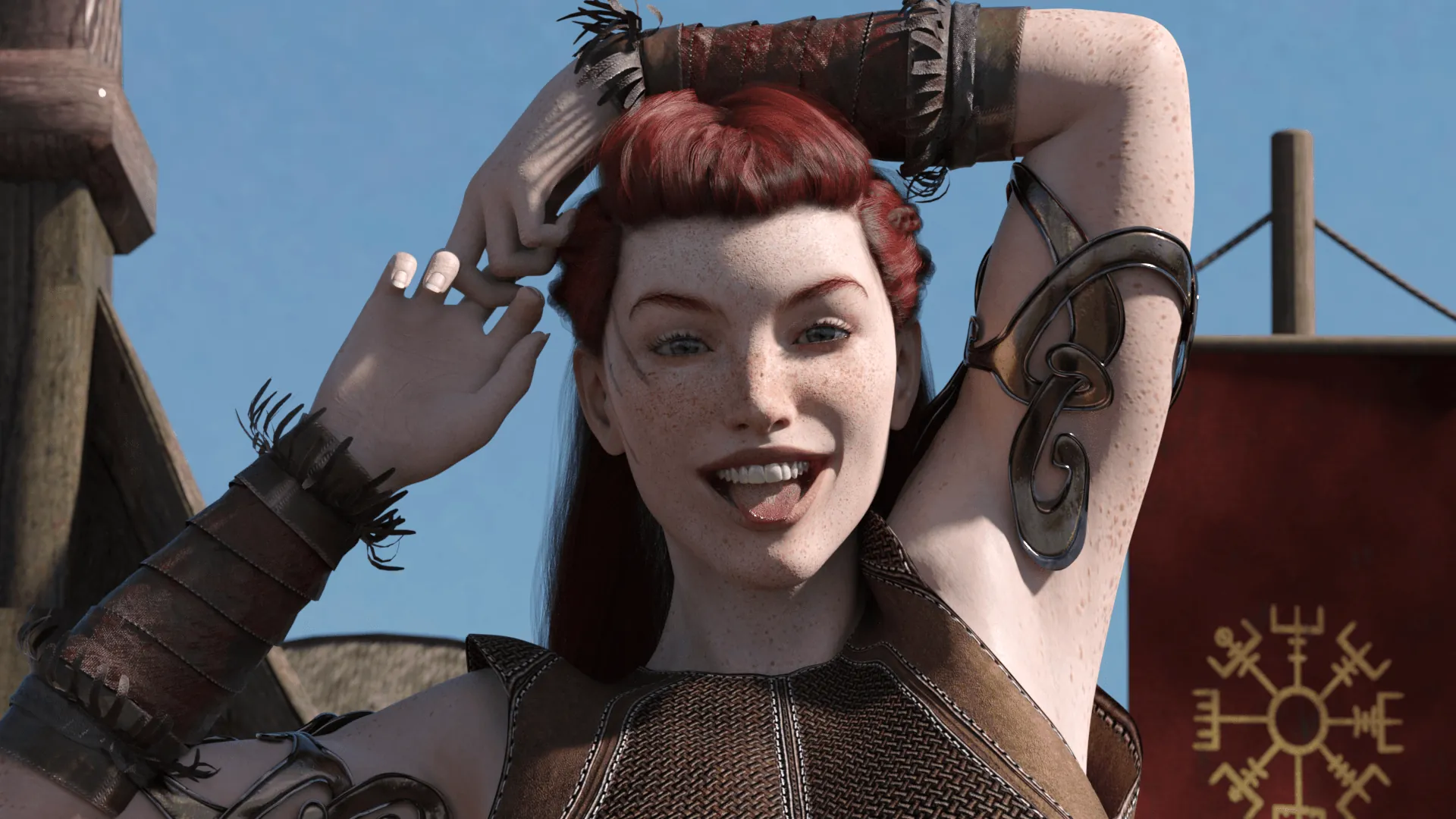
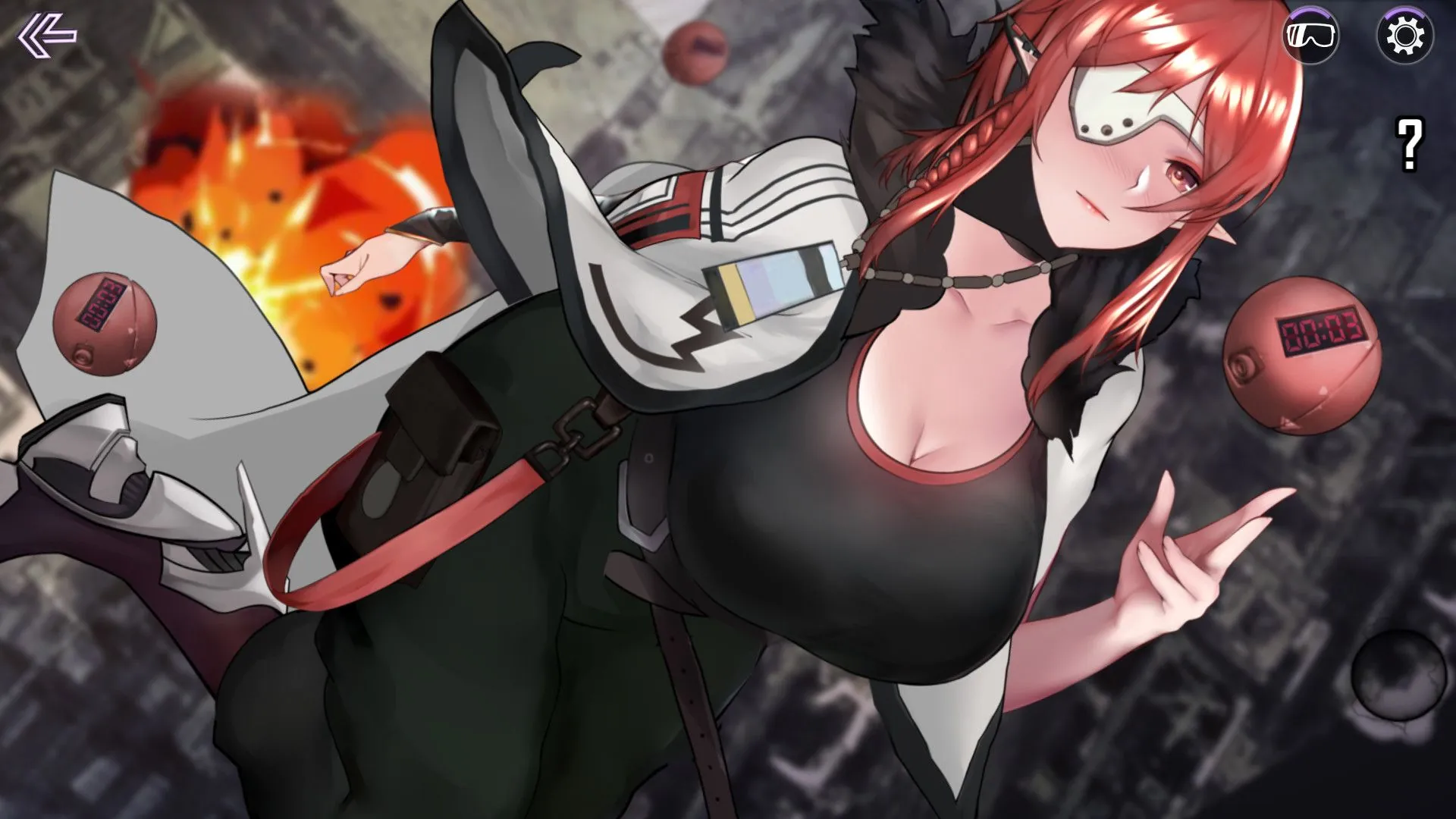
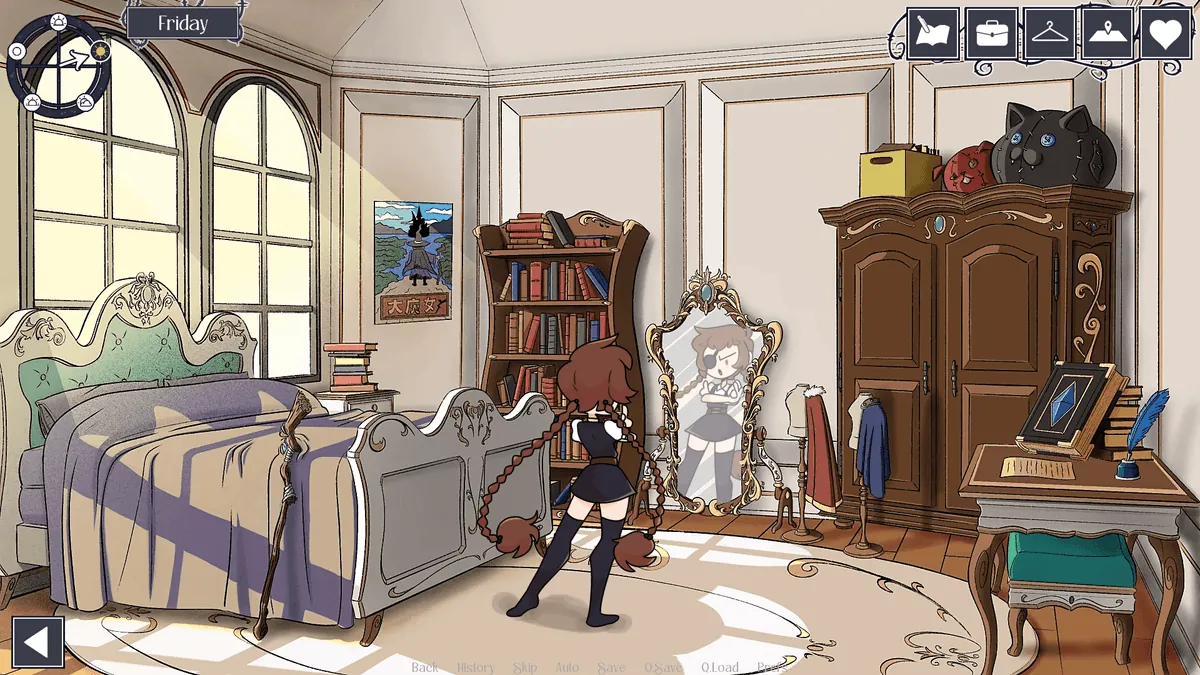
Game of Hearts Screenshots










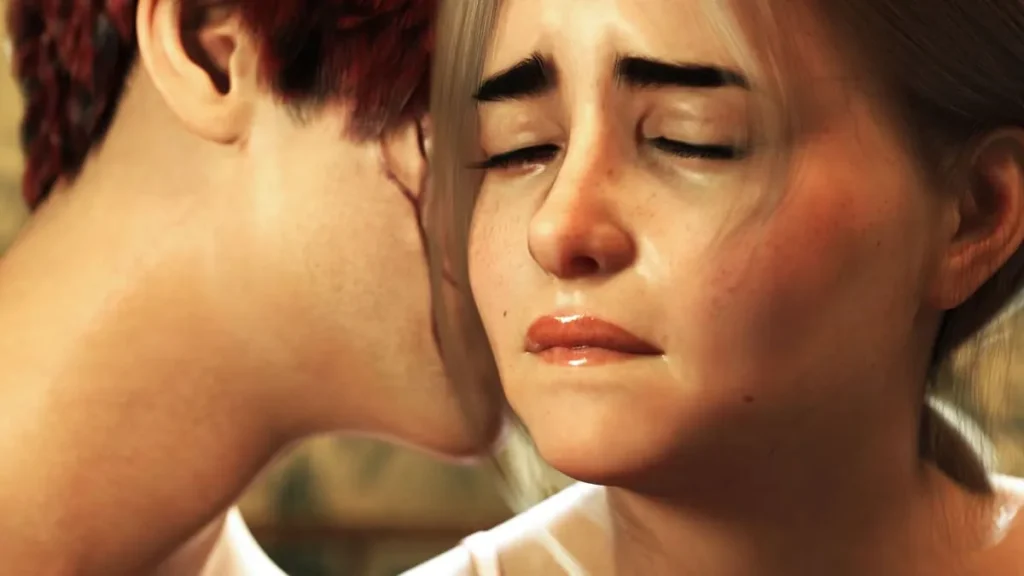

Game of Hearts review
Explore mechanics, storylines, and what makes this adult game unique
Game of Hearts stands out in the adult gaming landscape as a title that combines narrative depth with interactive gameplay. Whether you’re curious about the mechanics, character routes, or what sets this game apart from similar titles, this guide covers everything you need to know. From understanding core gameplay systems to exploring the various storylines and character interactions, we’ll walk you through what makes Game of Hearts a notable entry in its genre. If you’re considering diving into this game or want to maximize your experience, this comprehensive overview will help you navigate its features and content.
Understanding Game of Hearts: Core Mechanics and Gameplay Systems
So, you’ve downloaded Game of Hearts, drawn in by its stunning art and intriguing premise, but now you’re staring at the first dialogue choice, paralyzed. 😅 I’ve been there. That initial “What do I say?” moment can be daunting, because you instinctively know it matters. Unlike linear stories, this game remembers everything. Your journey through its romantic and dramatic narrative is uniquely yours, shaped by every whispered confidence and bold decision.
This chapter is your roadmap. We’re going to demystify the brilliant Game of Hearts gameplay mechanics, break down its deep relationship system visual novel fans will adore, and give you the tools to navigate its stories with confidence. Think of this as your strategy guide to love, conflict, and destiny.
How the Game of Hearts Gameplay Loop Works 🎮
At its core, Game of Hearts operates on a compelling cycle of reading, deciding, and influencing. The core visual novel progression system is elegantly simple on the surface but harbors incredible depth beneath. You’ll progress through beautifully illustrated scenes and expertly voiced dialogue, but the magic happens when the game pauses and presents you with a choice.
Here’s the typical gameplay loop:
1. Immerse in the Story: Dive into a scene, learning more about the world and the characters around you.
2. Encounter a Decision Point: Face branching narrative choices in dialogue or action. These can range from flirty jokes to serious moral dilemmas.
3. Influence Hidden Metrics: Your choice silently alters your relationship with key characters and sometimes shifts the story’s overarching direction.
4. Experience Consequences: The narrative immediately adapts, changing character reactions, opening or closing future scenes, and steering you toward a specific character’s path and eventual ending.
Pro Tip from a Veteran: Save often, and in different slots! The most fascinating moments in Game of Hearts come from seeing how a single different choice alters a scene you thought you knew. I once replayed a chapter just to see what happened if I was sarcastic instead of supportive, and it completely changed my character’s dynamic for the next three episodes.
A key component here is the Relationship Meter, though it’s often cleverly hidden. While not always a visible number on screen, the game meticulously tracks your affinity with each romanceable character. Choices that align with a character’s personality—being ambitious around the driven CEO, or playful with the free-spirited artist—increase your connection with them. This is the heartbeat of the Game of Hearts gameplay mechanics.
Some routes may also incorporate light time or resource management. You might have a limited number of “action points” per in-game week to decide whether to work on your career, spend time with a potential love interest, or pursue a personal hobby. These decisions don’t just affect relationships; they can unlock special skills, reveal backstory secrets, or determine your protagonist’s personal growth by the story’s end.
Character Routes and Relationship Development in Game of Hearts 💖
This is where the game truly shines. Game of Hearts isn’t about a single story with optional romances; it’s about multiple, deeply personal novels woven into one. Each character routes Game of Hearts offers is a distinct narrative arc with its own themes, conflicts, and emotional payoffs. Unlocking a route means the story’s central plot and your character’s personal journey will refocus around your chosen love interest.
But how do you get on a specific path? The answer lies in consistency. The game constantly evaluates your choices. If you consistently make decisions that boost your affinity with, say, the stoic bodyguard while ignoring or disagreeing with the charming journalist, the narrative will gracefully funnel you toward the bodyguard’s storyline. Major decision points, often at the end of chapters, will serve as route locks, solidifying your path forward.
Here’s a breakdown of the primary routes and what makes them unique:
| Route Name | Character Type | Relationship Focus | Unique Story Elements |
|---|---|---|---|
| The Guardian’s Path | Stoic Bodyguard (Leo) | Protective Loyalty, Unspoken Trust | High-stakes security plots, slow-burn emotional vulnerability, navigating professional boundaries. |
| Hearts of Industry | Driven CEO (Elena) | Power Dynamics, Shared Ambition | Corporate intrigue and rivalry, balancing power and partnership, luxurious yet cutthroat settings. |
| The Free Spirit | Charismatic Artist (Kai) | Spontaneous Adventure, Creative Passion | Travel to vibrant locales, themes of artistic freedom vs. commitment, whimsical and unpredictable scenarios. |
| Past Shadows | Mysterious Historian (Arthur) | Intellectual Connection, Unraveling Secrets | Supernatural or historical mysteries, puzzle-solving, themes of fate, legacy, and forgotten pasts. |
🎭 My personal favorite? The Historian’s route. It perfectly showcases how a relationship system visual novel can blend romance with genre. I wasn’t just falling in love; I was becoming a partner in solving a century-old mystery, and our growing trust directly impacted how much of the truth I was allowed to uncover.
The development within these routes feels organic. Characters don’t just fall for you because you’re the player; they respond to who you choose to be. Their backstories unfold gradually, and helping them confront their personal demons becomes a core part of the romance. This depth is what makes planning your approach to how to unlock routes Game of Hearts so rewarding—you’re not just picking a favorite design, you’re choosing a story genre and emotional experience.
Decision-Making and Branching Narratives 🌳
Every choice is a seed from which a different story can grow. The branching narrative choices in Game of Hearts are masterfully designed to feel meaningful, not just decorative. They typically fall into a few categories:
- Tone & Flirtation: Are you playful, sincere, sarcastic, or shy? This builds your “persona” and attracts characters who resonate with that energy.
- Values & Morals: When faced with a difficult situation, do you choose compassion or justice? Caution or boldness? These decisions can alter side characters’ fates and define your protagonist’s core identity.
- Route-Specific Loyalty: As you near a route lock, choices often directly ask you to spend time with or support one character over another.
The structure isn’t always a simple A/B branch. Think of it more like a tree with many limbs, or even a web. An early, seemingly innocuous choice in Chapter 1 might determine the availability of a specific, intimate conversation in Chapter 5 that significantly boosts your relationship. This creates an incredible incentive for replayability. Your second playthrough isn’t just about making opposite choices; it’s about discovering entirely new scenes and story threads you didn’t know existed.
This brings us to the ultimate goal: the endings. A comprehensive Game of Hearts endings guide would be a document all on its own, but the philosophy is key. Each major character route typically culminates in multiple possible endings. These are often categorized as:
* The True Ending: The most fulfilling, resolved conclusion for that route, usually requiring a high relationship score and making specific key choices that align perfectly with the character’s arc.
* The Good Ending: A happy, romantic conclusion, but one that might leave a subplot or the character’s personal conflict less fully addressed.
* The Neutral or Bittersweet Ending: You stay together, but not without significant cost or unresolved tension.
* The Bad Ending: The relationship fails, or a tragic outcome occurs due to consistent missteps or low affinity.
To see everything, you need to engage with the visual novel progression system actively. Use multiple save slots before major decisions. Don’t be afraid to pursue a single love interest wholeheartedly on one playthrough—the game rewards focused affection. On your next, try being a chaotic flirt and see where the drama leads, or dedicate yourself to a different character entirely. The gallery and scene replay features are your friends, filling up as badges of honor for the stories you’ve uncovered.
FAQ: Your Game of Hearts Mechanics Questions, Answered ❓
Q: I’m worried about missing content. Is there a “right” way to play the first time?
A: Absolutely not! The best way to play your first time is blindly. Make choices that feel true to you. That authentic playthrough will be your most memorable. Use guides and replays for completionism later.
Q: How many character routes Game of Hearts actually has?
A: The core game features four primary romance routes, each with multiple endings. Additional updates or DLC may expand this roster.
Q: Are there any tips for how to unlock routes Game of Hearts efficiently?
A: Focus is key. Pay attention to character preferences. If a character values honesty, choose truthful dialogue options around them. If they are ambitious, support their goals. The game will often signal major branching points, so save your game there to explore different directions from a central point.
Q: How impactful are the branching narrative choices really? Do small dialogue options matter?
A: Yes, but cumulatively. A single snarky comment won’t doom you, but a pattern of behavior will define your relationships. Major plot-altering choices are usually very clear, but small choices shape the tone and intimacy of your journey.
Q: Is there a time limit or pressure in the Game of Hearts gameplay mechanics?
A: Generally, no. You can read and choose at your own pace. Some routes have in-game “time units” to manage, but this is part of the strategic fun, not a frantic timer.
Q: Where can I find a reliable Game of Hearts endings guide without spoilers?
A: Look for guides that offer conditional hints rather than full walkthroughs (e.g., “To achieve Elena’s True Ending, prioritize business-related choices and demonstrate loyalty during the corporate gala in Chapter 7”). Community forums are great for this.
Ultimately, the genius of Game of Hearts lies in giving you control over an emotionally resonant story. Its Game of Hearts gameplay mechanics are the invisible framework that supports your personal narrative. So, take a deep breath, embrace the power of your choices, and dive in. Your unique story of love and heart—with all its twists, turns, and breathtaking branches—awaits.
Game of Hearts offers a multifaceted experience that combines interactive storytelling with character-driven narratives. By understanding the core gameplay mechanics, relationship systems, and narrative structure, players can fully appreciate what the game has to offer. Whether you’re drawn to specific character routes, interested in exploring multiple endings, or simply curious about how the game balances its various elements, this guide provides the foundation for an informed and enjoyable experience. The game’s strength lies in its ability to create meaningful interactions within its framework, making each playthrough feel distinct based on your choices. As you embark on your journey through Game of Hearts, remember that the experience is shaped by your decisions and the routes you choose to explore. Take time to engage with the narrative, appreciate the character development, and discover the different outcomes that await across multiple playthroughs.