
A House in the Rift
Play A House in the Rift
A House in the Rift Screenshots


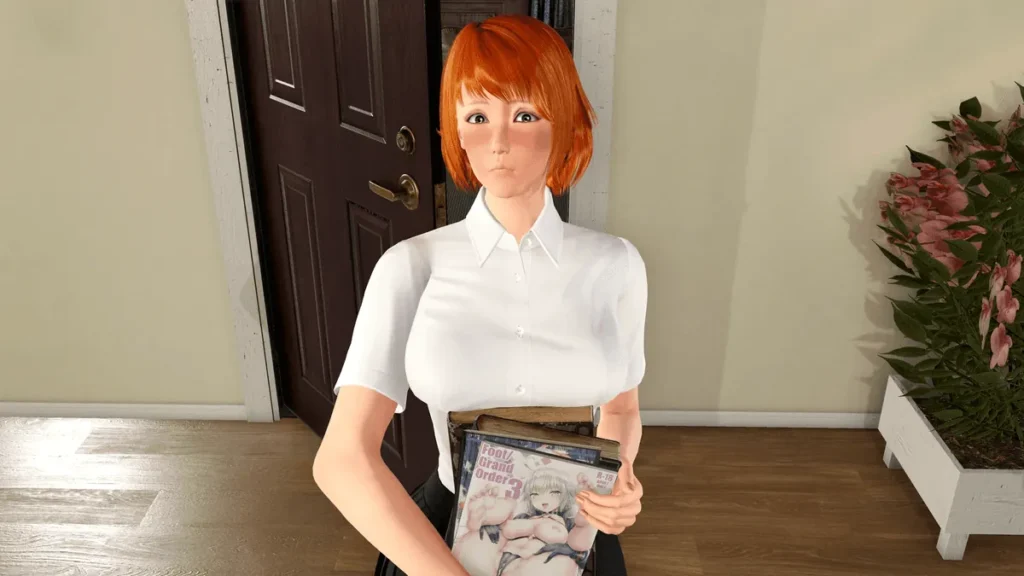







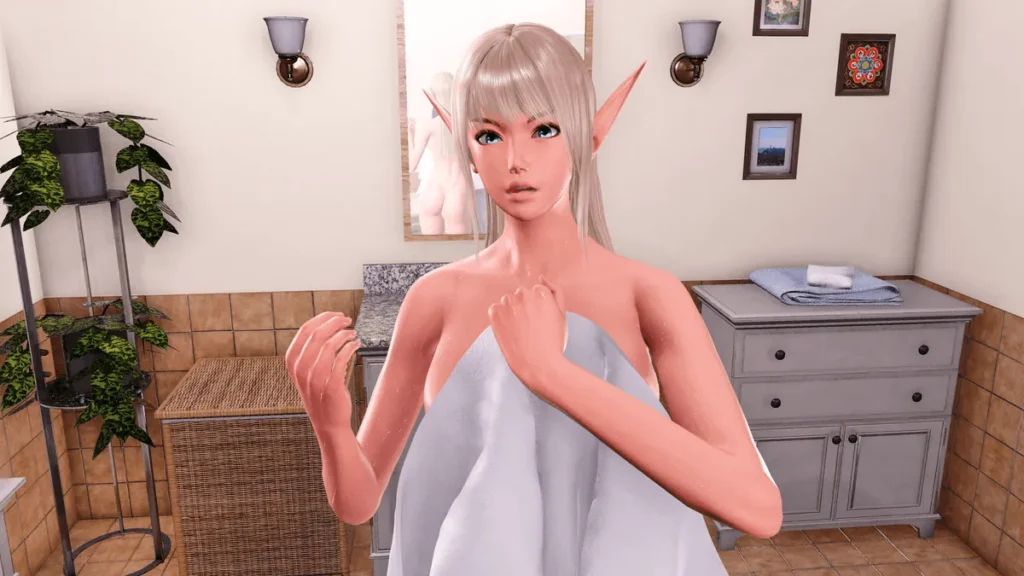
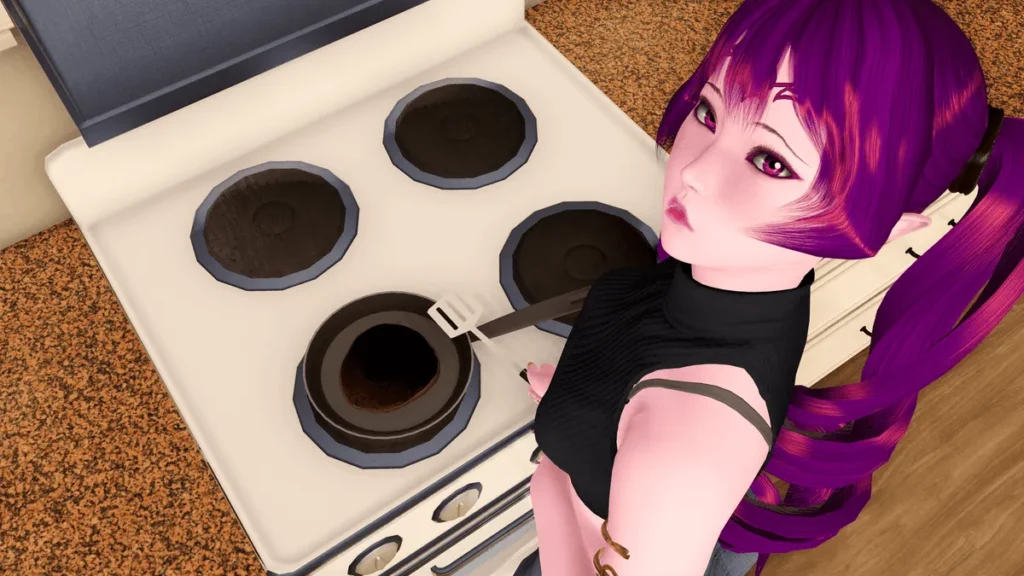





A House in the Rift review
Master gameplay mechanics, unlock scenes, and explore the immersive world of this narrative-driven adult game
A House in the Rift stands out in the adult gaming landscape as a title that prioritizes storytelling and player choice alongside its mature content. This narrative-driven experience offers players a richly developed world where their decisions genuinely impact the storyline and character relationships. Whether you’re new to the game or returning for another playthrough, understanding the core mechanics, character interactions, and scene progression systems can significantly enhance your experience. This comprehensive guide explores everything you need to know about A House in the Rift, from basic gameplay fundamentals to advanced strategies for unlocking exclusive content and maximizing character intimacy.
Understanding A House in the Rift Gameplay Mechanics
Diving into A House in the Rift for the first time can feel a bit like waking up in a strange, beautiful mansion yourself. You’re surrounded by intriguing characters, every door seems to hold a secret, and you have this thrilling sense that your every choice matters. But where do you even start? 🤔 Unlike more linear visual novels, this game wraps its compelling narrative in a set of interconnected gameplay mechanics that give you real agency. Mastering these systems is the key to unlocking the story’s depth and, yes, those coveted special moments with the characters. Let’s break down exactly how everything works, so you can stop worrying about missing out and start truly living in this immersive world.
Core Game Systems and How They Work
At its heart, A House in the Rift is about building a life—and relationships—in an extraordinary situation. The game cleverly uses several core systems to simulate a living world and make your decisions carry weight. Think of it less as a “click-through” story and more as a relationship simulator where time, attention, and empathy are your primary resources.
The most celebrated of these is the decision-making system. This isn’t an illusion of choice; your selections have tangible, often delayed, consequences. Early on, you might choose to comfort one character after a nightmare. This simple act of kindness won’t just net you a few immediate points—it could influence how that character perceives your reliability days later, opening up a vulnerable conversation that would have otherwise remained locked. I remember once brushing off a character’s minor request to focus on another’s “bigger” problem. Weeks later in game-time, the first character subtly referenced that moment, proving the game’s memory is long. Your choices weave a unique narrative tapestry for each playthrough.
Guiding you through this web of choices is your quest log progression. This isn’t just a generic “to-do” list. It’s a dynamic journal that updates with clues, character thoughts, and multi-step objectives. It respects your intelligence, too. Instead of a glaring arrow saying “GO HERE,” it might note, “Lyra seemed interested in the old library books. Maybe check there in the evening.” It’s your personal detective notebook, ensuring you always have a direction without robbing you of the joy of discovery. Always, and I mean always, check your quest log when you feel stuck. It holds the subtle hints you might have missed in conversation.
Finally, underpinning everything is the game’s simulation of a believable world. Characters have needs, routines, and moods independent of you. The weather might change, affecting where people want to spend their day. This creates a sense that the house and its inhabitants exist beyond your direct interaction, making every connection you forge feel earned and genuine.
Character Intimacy and Relationship Building
This is where the magic—and the heart—of A House in the Rift truly lies. Forget simple “affection points.” The game employs a sophisticated intimacy stat system that functions more as a nuanced trust meter than a crude scorecard. 🫂
Each main character has their own intimacy level, visible in your character profile menu. But here’s the crucial part: this number isn’t just raised by always agreeing with them or picking the obviously flirtatious option. In fact, that can backfire. The intimacy stat system measures emotional closeness and trust, which is built through consistency, empathy, and sometimes, respectful disagreement. Choosing to support a character’s personal goal, even if it doesn’t directly involve you, often yields a more significant boost than a shallow compliment.
Character relationship building is therefore a slow, rewarding burn. It requires paying attention. Listen to what they say they enjoy, remember their past fears, and follow up on previous conversations. If a character mentions missing a certain type of tea, and you later find some and offer it to them, the intimacy increase reflects that you listened. This system made me change how I play. I started taking mental notes, treating conversations as genuine get-to-know-you sessions rather than dialogue trees to rush through.
So, what’s the practical method?
* Be Present: Spend time with them consistently. Just choosing “Chat” during free time, even without a specific goal, prevents relationships from stagnating.
* Quality Over Quantity: One meaningful conversation that addresses their core insecurities is worth more than five trivial exchanges.
* Unlock Scenes Organically: Special story moments and scenes unlock naturally as a byproduct of high intimacy and key story choices. You can’t just “grind” points to access them; you need to have built the proper emotional context through the decision-making system. The game ensures these moments feel like a natural culmination of your relationship, not a transaction.
Navigation, Timing, and Scene Discovery
Alright, you understand the social mechanics. Now, how do you physically navigate this world? The game navigation and map system is your best friend. Opening your map doesn’t just show you empty rooms. During key periods of the day, it will show you character icons in specific locations. This is brilliantly integrated with the time-of-day mechanics, which structure the game into blocks like Morning, Afternoon, Evening, and Late Night.
Each character has a loose schedule. Rae might be training in the yard in the morning, reading in the library in the afternoon, and in the common room in the evening. These routines can also change based on story progress or your previous decisions. This is why managing your time is the #1 practical skill you need to develop.
Pro Tip: If you’re trying to build a relationship with a specific character, plan your day around their routine. Use your map! Check it at the start of each new time block to see where everyone is located. Want a private conversation? Seek them out when they’re in a less-frequented room.
The time-of-day mechanics also gate certain interactions and events. A heartfelt, confidential talk is far more likely to happen in the quiet of late night than during a bustling afternoon. Some quests will explicitly require you to investigate a place at a certain hour. This makes the world feel alive and imposes a pleasant sense of pace and rhythm on your exploration.
To get you started, here’s a general guide to where you might find characters during typical cycles. Remember, story events can override these routines!
| Character | Morning | Afternoon | Evening | Late Night |
|---|---|---|---|---|
| Lyra | Her Room / Study | Library | Common Room | Kitchen or Balcony |
| Rae | Training Grounds | Workshop | Common Room / Bar | Her Room |
| Elara | Greenhouse | Gardens | Common Room | Rarely Roaming |
| Seraphina | Study | Mystical Focus Room | Library | Often in Private Chambers |
Putting it all together, effective gameplay is a dance between your quest log progression, your social goals, and the ticking clock. Maybe your log suggests investigating the attic. Check the map—it’s afternoon, and the character you need to talk to for the next step is in the library. You decide to spend the afternoon building intimacy with someone else, then head to the library in the evening to advance the quest. This strategic layer is what makes A House in the Rift so deeply engaging and replayable.
FAQ: Your Gameplay Mechanics Questions Answered
Q: I feel like I’m missing scenes with my favorite character. How do I increase intimacy faster?
A: Patience is key! Focus on quality interactions. Always choose dialogue options that align with their personality and values. Complete their personal quests, give them gifts they genuinely like (listen for hints!), and be their support system during story conflicts. The biggest boosts come from meaningful story milestones, not everyday chatter.
Q: Can I make a “wrong” choice that ruins my chances with a character forever?
A: The game is remarkably forgiving in a narrative sense. While a major disagreement might cause a temporary setback or close off a specific path, it rarely destroys a relationship permanently. Often, it simply steers it in a different, sometimes more complex and interesting, direction. The decision-making system is about creating your unique story, not punishing you.
Q: How do I find hidden or special content?
A: Exploration and experimentation! 🗝️ Talk to everyone, every day, and revisit rooms at different times. Some events only trigger after a specific sequence of prior choices or at a certain combined intimacy level with multiple characters. Don’t be afraid to follow your curiosity—if something looks interactive, click it. Use multiple save slots to branch your choices and see where they lead.
Mastering the A House in the Rift gameplay mechanics transforms your experience from passive reading to active storytelling. By understanding the delicate dance of the intimacy stat system, strategically using the game navigation and map system, and respecting the flow of the time-of-day mechanics, you stop being just a player and become a true resident of the house. Your choices, guided by the quest log progression, will weave a tale that is uniquely yours, proving that in this rift, the journey of character relationship building is every bit as rewarding as the destination. Now go on—your story awaits.
A House in the Rift successfully combines mature content with compelling storytelling and meaningful player agency, creating an experience that resonates with players seeking more than surface-level entertainment. The game’s intricate systems—from intimacy mechanics to decision-based progression—work together to create a world where your choices genuinely matter. By understanding the core gameplay mechanics, learning how to unlock exclusive scenes, and appreciating the depth of character interactions, you can fully immerse yourself in this richly developed narrative experience. Whether you’re drawn to the intimate content or the engaging storyline, A House in the Rift offers substantial replay value through its branching narratives and multiple relationship paths. Take time to explore different dialogue options, discover hidden content, and engage meaningfully with each character to unlock the full potential of your gaming experience.