Zero End
Play Zero End
Zero End Screenshots

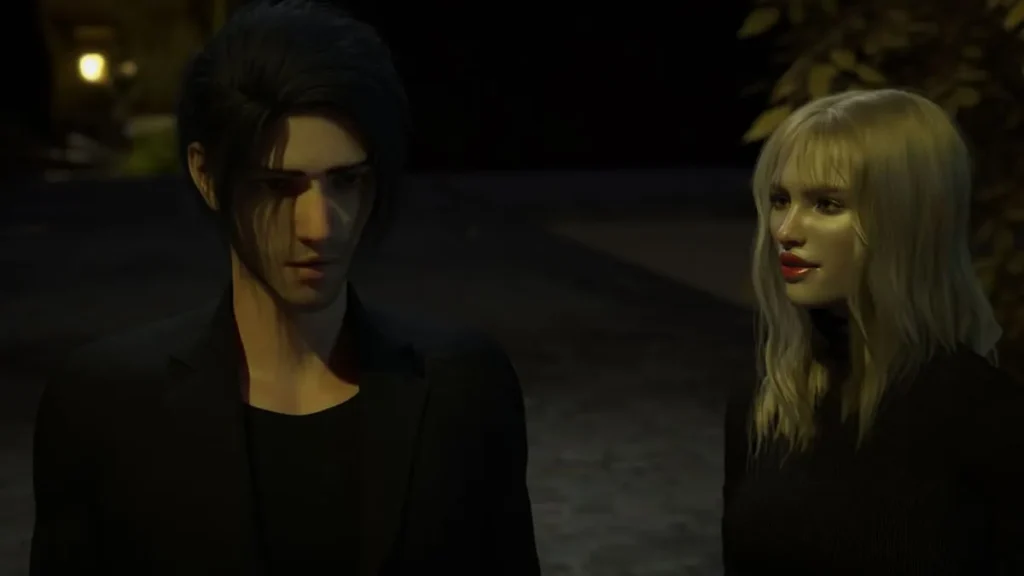
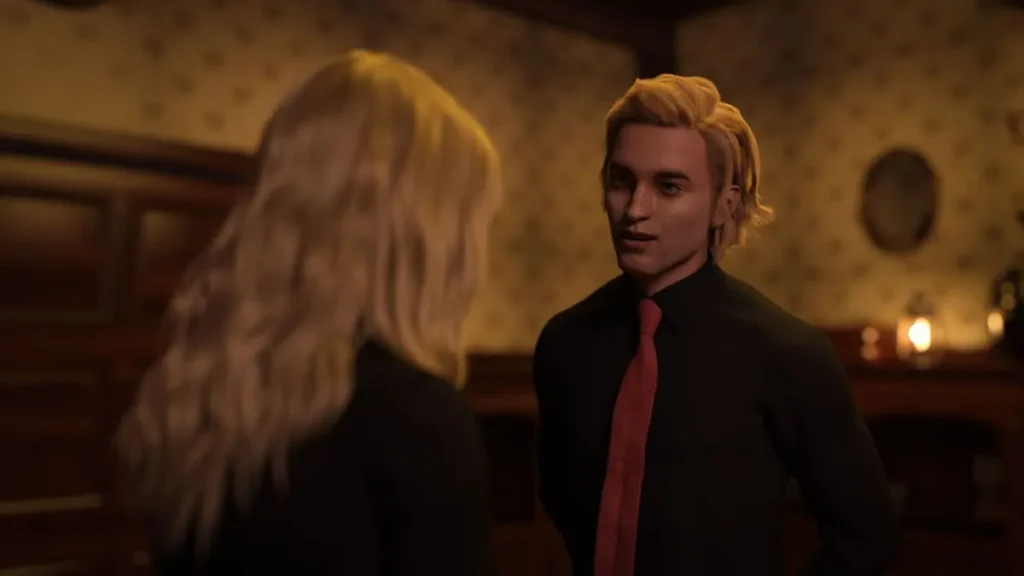
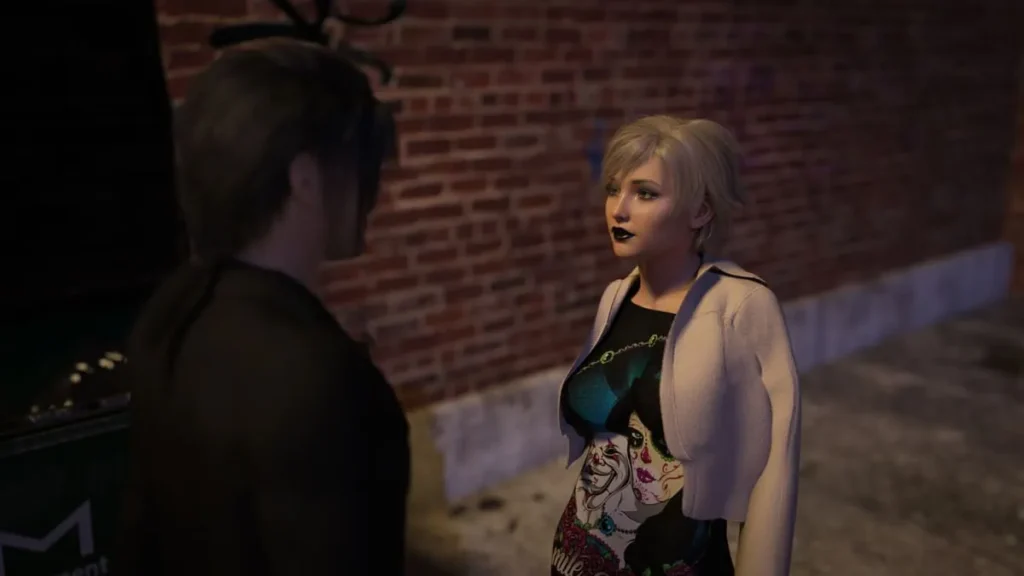


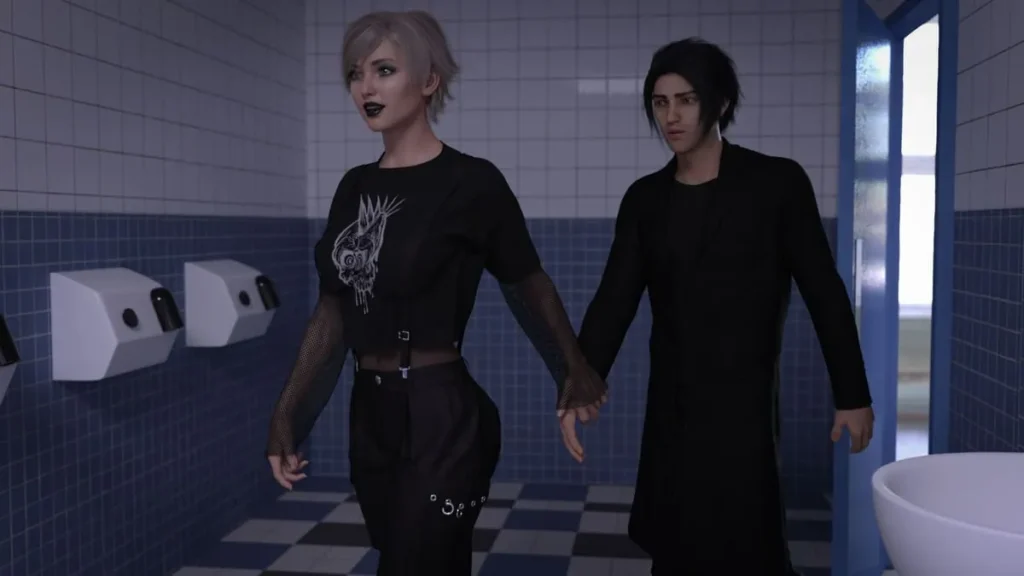
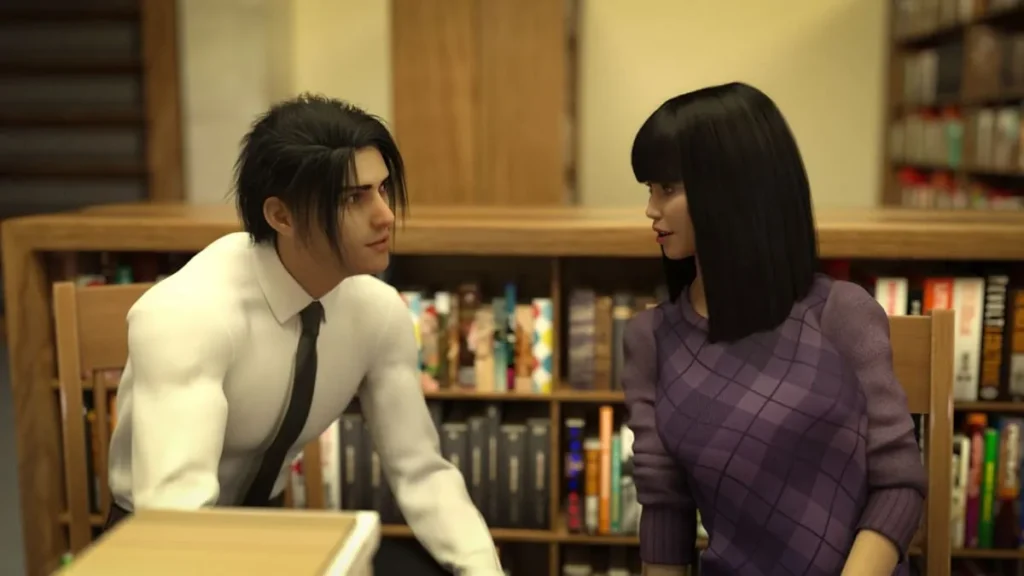


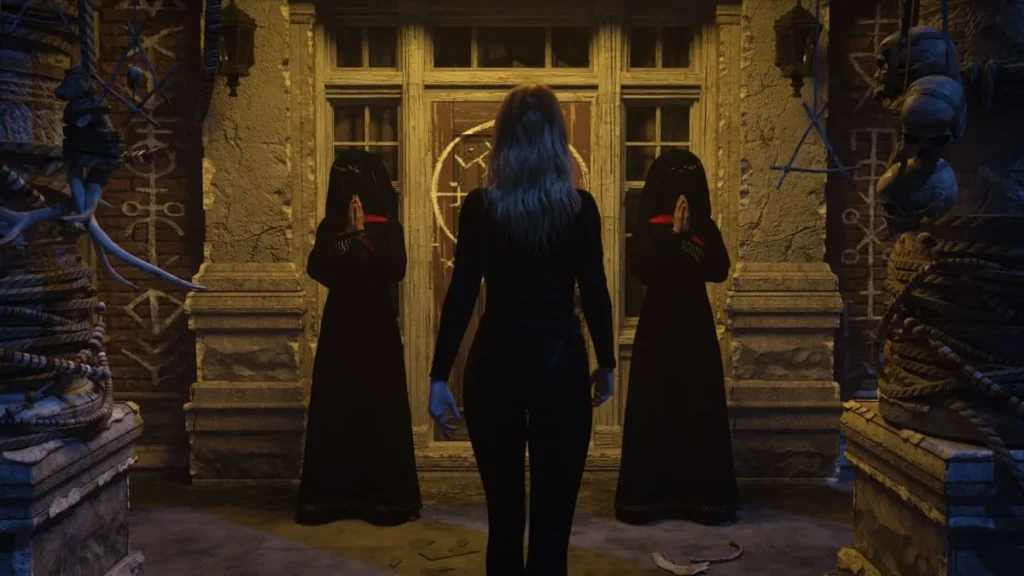

Zero End review
A practical, player-focused look at Zero End, its supernatural story, and branching paths
Zero End is a story-driven visual novel that blends modern life, ancient magic, and high-stakes decisions into one branching narrative. You play as Caleb Watson, a powerful mage whose hunger for power threatens to erase the person he used to be. In this guide, we’ll walk through what Zero End is really about, how its choice-based structure works, and what kind of experience you can expect as a new player. I’ll mix in my own impressions and practical tips so you can decide whether Zero End deserves a spot in your game library.
What Is Zero End and Why Is It Different?
So, you’ve heard whispers about Zero End, seen some intriguing screenshots, and now you’re wondering: what is this game actually about? 🤔 If you’re tired of games that promise deep stories but deliver shallow tropes, you’re in the right place. Let’s pull back the curtain on this unique experience.
At its heart, Zero End is a modern visual novel that prioritizes the power of a good story. Forget about quick-time event brawls or sprawling open worlds—this is a journey driven by words, choices, and consequences. It weaves together magic and power with the gritty reality of bills, rent, and complicated relationships. The result is a narrative driven game that feels surprisingly grounded, even when its protagonist is unraveling cosmic mysteries.
I remember booting it up for the first time, expecting a typical supernatural tale. What I got instead was a tense, intimate character study that had me leaning forward in my chair, completely invested in every difficult decision. It’s a story rich visual novel that isn’t afraid to let silence and tension do the talking.
Who is Caleb Watson and what world does Zero End explore?
Meet Caleb Watson. On the surface, he might seem like another guy trying to make it in a modern city. But scratch that surface, and you find a mage of formidable power—and an eternal debtor. This isn’t a metaphorical debt; it’s a literal, magical ledger that tracks every shortcut, every burst of power he’s ever borrowed from the unseen forces of the world. 🪄
Caleb’s central conflict is brilliantly human, yet utterly supernatural. He’s pushed his abilities so far to solve problems, protect what he cares about, and maybe get ahead, that he now stands on the precipice of losing himself entirely. The Zero End game isn’t about him acquiring new powers; it’s about him managing the terrifying fallout of the power he already has. The “debt” is a constant, chilling presence in the narrative. It’s not just a gameplay mechanic; it’s the core of his identity. You feel the weight of every past choice hanging over him.
The world Zero End explores is our own, but seen through a cracked lens. Contemporary streets, cafes, and apartments exist alongside ancient, hidden orders and rules that govern reality. Magic here isn’t a public spectacle; it’s a secret, dangerous current flowing beneath the pavement. It’s guarded by old families, wary institutions, and entities that view human mages like Caleb as necessary but reckless tools. This creates a constant atmosphere of mystery and tension. You’re never sure if the person buying coffee next to Caleb is just a stranger or a watcher from one of these clandestine groups.
How does Zero End blend everyday life with ancient magic?
This is where the Zero End game truly shines. It doesn’t segregate the magical from the mundane—it fuses them. One moment, Caleb is having a painfully normal argument about shared groceries with a roommate. The next, he’s deciphering a ritual hidden in the city’s architectural blueprints, his mind aching from the effort. The magic feels less like flashy fireworks and more like a taxing, intellectual discipline with severe physical and mental repercussions. 🏙️⚖️
The game’s tone masterfully mixes this emotional drama with supernatural suspense. The tension doesn’t just come from magical threats, but from a phone call from a creditor, a fragile friendship tested by secrets, or the quiet guilt of knowing your actions have put someone in danger. The “ancient” part of the magic is often communicated through lore discovered in old books, cryptic conversations, and the very rules that bind Caleb. It suggests a vast, old, and indifferent system where magic always comes with a cost.
From the opening hours, the narrative constantly reminds you that every spell cast has a price. That price might be fatigue, a forgotten memory, or a favor owed to a dangerous entity. The magic and power in this world are not tools of convenience; they are transactions, often with predatory interest rates. This premise feels uniquely gripping compared to other stories where power is freely gained. Here, power is a loan, and the collectors are always watching.
What type of player will enjoy Zero End the most?
Let’s be practical. The Zero End experience is primarily about reading and making meaningful narrative choices, with occasional interactive segments to break up the flow. Your main inputs are your attention and your moral compass. You will spend time listening to characters, understanding their motives, and making choices that can subtly shift relationships or dramatically alter the story’s path.
Because of this, Zero End is perfectly suited for a specific kind of player:
- The Story Immerser: You love to get lost in a layered plot. You enjoy piecing together lore, understanding character backstories, and feeling the weight of a well-built world.
- The Character Connoisseur: You’re fascinated by morally grey protagonists and complex interpersonal dynamics. You don’t need a hero; you need a compelling, flawed human being to follow.
- The Choice Architect: You relish replaying chapters to see how different decisions play out. You know a small dialogue choice in Act 1 can change everything in Act 3.
Conversely, if you’re looking for a fast-paced, arcade-style experience with constant action, you might find the pacing of this visual novel too deliberate. This is a slow-burn story. It simmers, building pressure until it boils over.
To help you see where you might fit, here’s a quick breakdown:
| Genre | Main Focus | Pacing | Ideal Player Type |
|---|---|---|---|
| Narrative-Driven Visual Novel | Story, Character Relationships, Choices & Consequences | Slow-burn, Deliberate, Atmospheric | Players who enjoy deep storytelling, complex characters, and moral dilemmas over action or strategy. |
My personal insight? I found myself most engaged when I treated Zero End not as a “game to beat,” but as a limited series I was watching and directing. The kind you savor over several evenings. This mindset shift made all the difference.
Practical Tip: When you start your playthrough, do it with headphones on and distractions minimized. The sound design and voice acting (where present) are crucial for atmosphere. Pay close attention to casual dialogues and journal entries. Small choices—like how you deflect a personal question or which lead you decide to follow—genuinely matter. They build up over time, influencing not just Caleb Watson‘s fate, but the lives of everyone around him.
To give you a taste of what this looks like in practice, let me share how my first session went:
My First Night with Zero End: An Anecdote
I booted up the game after dinner, planning to play for an hour. The introduction didn’t start with a magical explosion, but with Caleb in a sparse apartment, staring at a stack of overdue bills. His internal monologue was laced with a weary familiarity with this struggle. Then, a notification pinged—not on his phone, but in his mind. A “creditor” was checking in. The game presented me with my first real choice: fabricate a cheerful lie about having the magical payment ready, or admit the truth and ask for an extension, knowing it would incur a worse penalty later. I chose the lie. For the next thirty minutes of gameplay, that choice echoed. Caleb was jumpier in conversations, and a strange, shadowy figure seemed to linger at the edge of a scene set in a rainy park. The game had seamlessly shown me that my decisions weren’t just about dialogue trees; they were about survival in a system that was always watching. I ended up playing for three hours, completely hooked by the intimate, tense drama of a man trying to outrun his own power. It was clear this was a story rich visual novel operating on a different, more personal level.
In essence, Zero End is for those who believe the most compelling conflicts are internal, and that the most powerful magic is found not in defeating monsters, but in navigating the cost of our own choices. It’s a gripping, mature, and uniquely stressful journey that stays with you long after you put it down. If that sounds like your kind of adventure, then you’re ready to step into Caleb Watson’s worn-out shoes. Your first decision awaits.
Zero End is built for players who enjoy getting lost in a character-driven story where every bit of power has a hidden cost. Following Caleb Watson through his web of debts, alliances, and risky magical decisions can feel less like playing a typical game and more like stepping into a dark, modern fantasy novel. If you’re willing to slow down, pay attention to subtle choices, and live with the consequences of your decisions, Zero End can be a surprisingly absorbing experience. When you’re ready, start a new run with Caleb and see how far you’re willing to go before the bill for his power finally comes due.