Tales of Unity
Play Tales of Unity
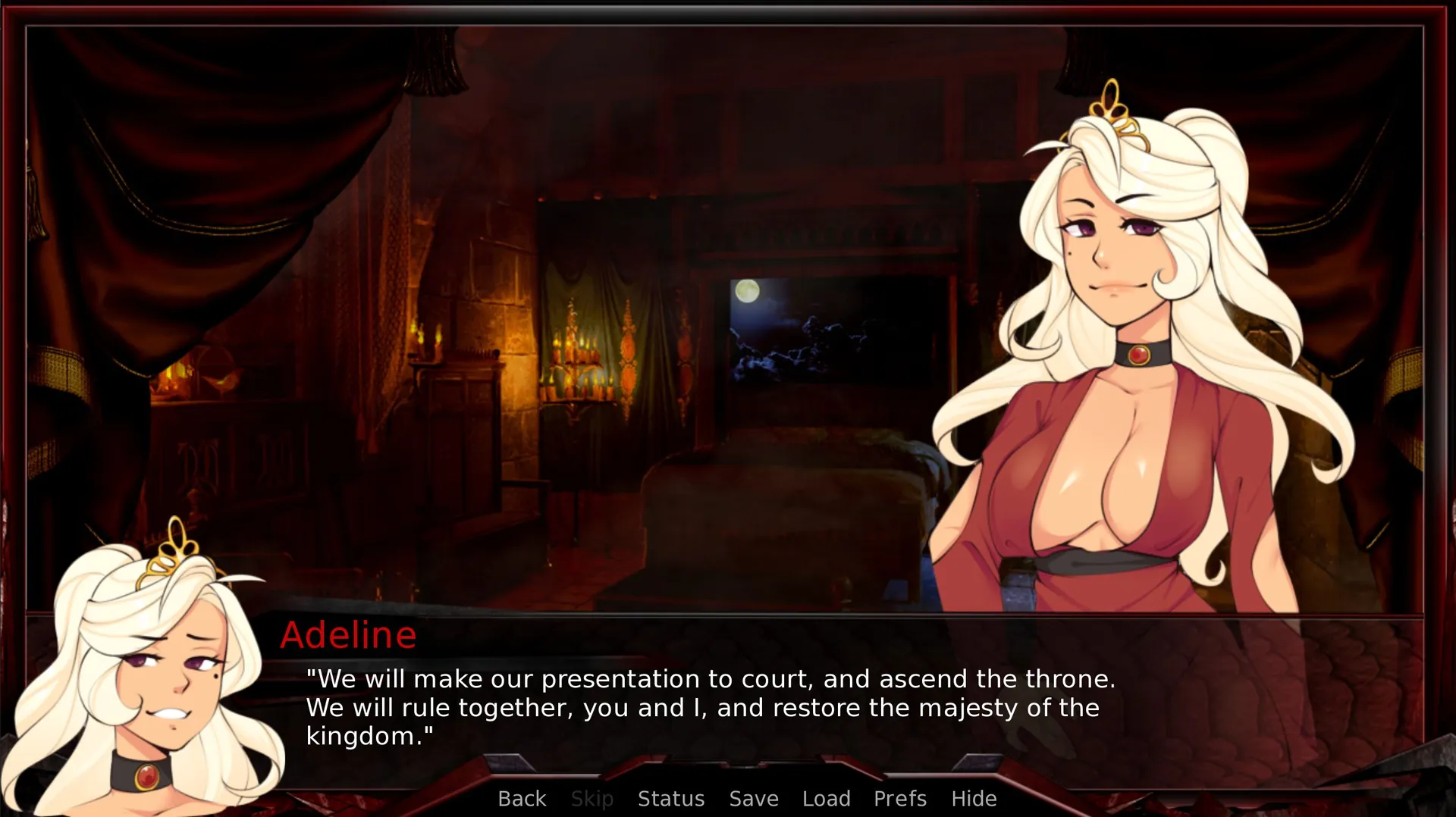
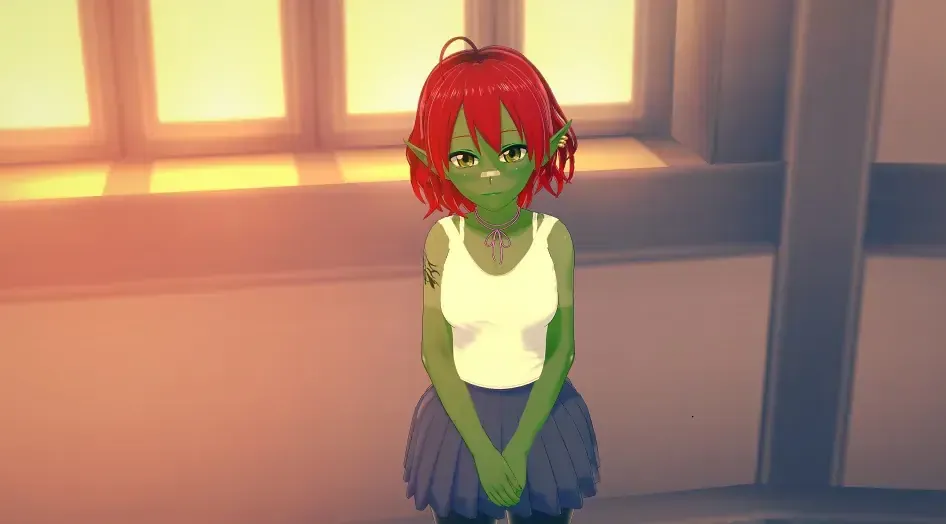
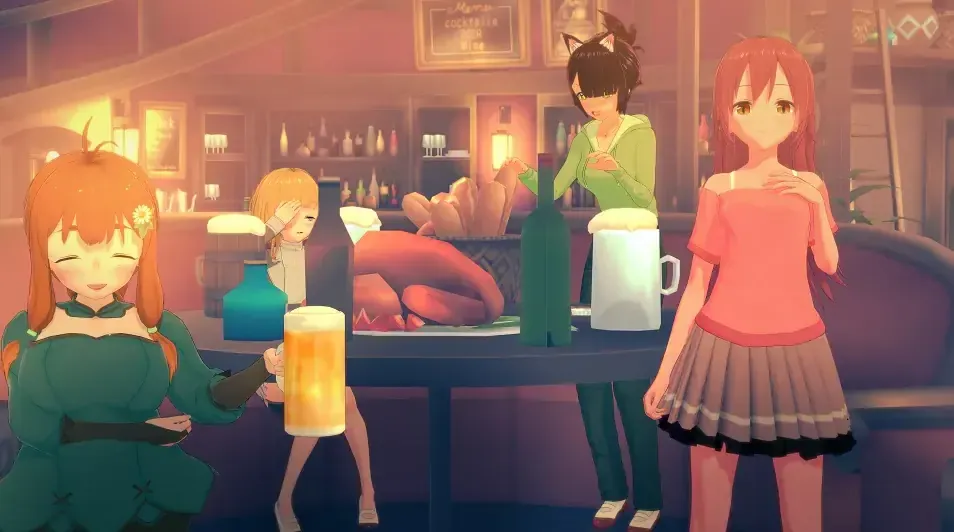
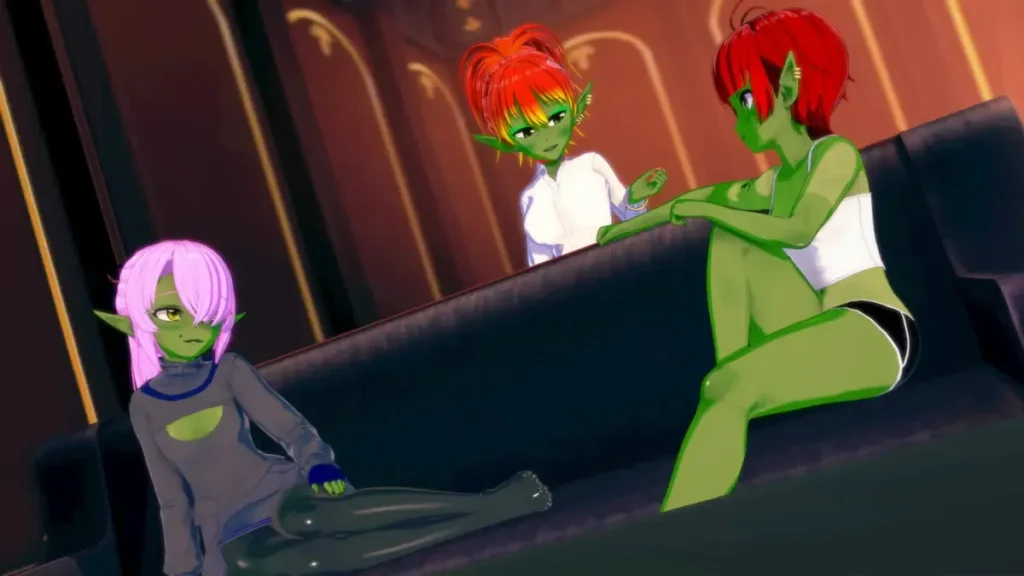
Tales of Unity Screenshots
Tales of Unity review
Exploring the narrative depth and character development in this acclaimed interactive experience
Tales of Unity has emerged as a standout title in interactive storytelling, demonstrating that narrative-driven games can achieve remarkable depth and emotional resonance. The game combines compelling character development, engaging dialogue, and thoughtful plot construction to create an experience that resonates with players seeking meaningful stories. Whether you’re curious about the game’s narrative structure, character arcs, or what makes it stand out in its genre, this guide explores the elements that contribute to Tales of Unity’s critical acclaim and player appreciation. Discover what players are saying about this masterpiece of interactive fiction.
The Narrative Excellence of Tales of Unity
You know that feeling when you finish a game, and instead of immediately jumping into a new one, you just sit there, staring at the credits, completely lost in thought? That was me after my first playthrough of Tales of Unity. I went in expecting a fun fantasy romp, but what I got was an emotional journey that stuck with me for days. It’s a title that doesn’t just tell a story; it makes you live it, proving that interactive narrative games can deliver experiences as rich and affecting as any book or film.
“I’ve played hundreds of RPGs, from the classics to modern epics, but Tales of Unity is something special. The way the plot weaves together personal stakes with world-ending consequences is a masterpiece of storytelling. I’d put it right up there with, and honestly above, my experience with Hero’s Harem Guild—it has the heart and humor but adds a layer of narrative sophistication I wasn’t expecting.” – A dedicated player review.
This sentiment isn’t rare. The game has cultivated a passionate following, all united by their appreciation for its incredible narrative-driven gameplay. So, what exactly makes its story so powerful? Let’s pull back the curtain.
What Makes the Story Compelling?
At its core, the Tales of Unity story is a masterclass in balancing scale and intimacy. The Tales of Unity plot begins with a familiar enough premise: a world fractured by an ancient war between magic and technology, on the brink of collapse once more. But here’s the twist—you’re not some chosen one prophesied to save the day. You play as a reluctant diplomat, a mediator thrust into the center of the conflict with the simple, monumental task of preventing war.
This setup is genius. It immediately grounds the epic fantasy in very human, relatable tensions. You’re not just fighting monsters; you’re navigating political minefields, soothing centuries-old grudges, and making decisions where there’s no clear “good” or “evil” option. The game’s game storytelling excellence shines in how it makes you feel the weight of every conversation, every alliance you broker, and every bridge you burn.
The narrative structure is deceptively complex. While it may not feature sprawling branching paths that change the entire world (a deliberate design choice to maintain a cohesive, high-quality narrative), it is packed with meaningful divergences. Your choices profoundly alter character relationships, determine who lives or dies in key moments, and unlock entirely different story beats and endings. It’s this web of consequences that makes the Tales of Unity story so incredibly replayable. You’re constantly wondering, “What if I had said that instead?”
But a great plot is nothing without tone, and this is where the game truly excels. The writers have performed a magic trick of their own, seamlessly blending high-stakes drama with on-point comedy. One moment you’re in a tense council meeting, negotiating the fate of nations, and the next, your party is bickering over campfire cooking duties in a scene that feels lifted from a beloved sitcom. This balance is crucial. The comedy doesn’t undermine the drama; instead, it makes the world and its inhabitants feel real, lived-in, and infinitely more endearing. The emotional whiplash from laughing to having your heartstrings pulled is a signature part of the experience.
Let’s break down the key narrative strengths that players consistently rave about:
- Story Depth & Lore: The history of the world feels ancient and authentic. You discover it organically, never through tedious info-dumps.
- Character Complexity: Every major character has clear, evolving motivations. No one is just “the hero” or “the villain.”
- Comedic Timing: The humor is character-driven and never feels forced or out of place, providing perfect relief.
- Emotional Resonance: The story earns its big moments. You care deeply about the outcomes because you’ve invested in the relationships.
The Tales of Unity plot succeeds because it understands that the most compelling conflicts are internal. Yes, you’re trying to stop a war, but you’re also wrestling with themes of prejudice, forgiveness, and what it truly means to build peace. It’s a story that stays with you because it asks difficult questions, and trusts you, the player, to find your own answers. 😌🎭
Character Development and Depth
If the plot is the skeleton of Tales of Unity, then its characters are the heart, soul, and nervous system. This is where the game transitions from “great” to “unforgettable.” The Tales of Unity characters are not mere companions who follow you into battle; they are the engine of the entire narrative. Their growth, conflicts, and interactions are the story.
Character development in games is often measured in skill trees and new abilities. In Tales of Unity, it’s measured in changed perspectives, healed wounds, and hard-earned trust. Take Maya, the fiery warrior from the magical enclave who starts with a deep-seated, culturally-ingrained distrust of all technology and its users. Her arc isn’t about learning a bigger sword technique; it’s about confronting her own prejudice. Through conversations with your tech-savvy party members and seeing the world beyond her forest, you witness her worldview slowly, painfully, and beautifully expand. Her defining moment isn’t a boss fight, but a quiet scene where she hesitantly asks to learn how a simple clockwork device works.
Then there’s Kaelen, the witty and charming inventor from the steam-powered cities. He uses humor as a shield, masking the guilt he carries over his creations being used for war. His journey is one of taking responsibility and learning that innovation without conscience is destructive. The game’s brilliance is in how these personal journeys are inextricably linked to the main Tales of Unity plot. Uniting the world isn’t an abstract goal; it’s about getting Maya and Kaelen to see each other as people, not as representatives of a hostile ideology.
This depth is achieved through a phenomenal synergy between writing and narrative-driven gameplay. You don’t learn about characters just through cutscenes. You learn about them through:
* Campfire Conversations: Optional, intimate chats where characters reveal fears, dreams, and past regrets.
* Dualogue Choices: Your responses during their personal quests can steer their moral compass, strengthening or straining your bond.
* Party Banter: Overheard conversations while exploring that show how relationships are evolving in real-time.
* Letters & Journals: Collectible items that provide raw, unfiltered glimpses into their inner thoughts.
The result is a cast that feels astonishingly real. You celebrate their victories and feel their pain as if they were close friends. This emotional investment makes every plot twist hit harder and every moment of triumph feel earned. You’re not fighting for a kingdom; you’re fighting for them. This focus on deep, interpersonal drama is what sets the Tales of Unity characters apart and establishes a new benchmark for character development in games. 🧠❤️
How Tales of Unity Compares to Similar Games
The realm of interactive narrative games is filled with incredible experiences, and Tales of Unity clearly stands on the shoulders of giants. Players often come to it with expectations shaped by other narrative-heavy titles. So, how does it carve out its own unique space? Let’s put it in context.
Many games in this space offer player freedom through vast, open worlds or deeply complex choice systems that can radically alter the story’s direction. Tales of Unity takes a slightly different, more focused approach. Its world is expansive but thoughtfully curated, guiding you through a tightly-paced narrative rather than letting you get lost in a hundred side distractions. Its choices are more about deepening character relationships and altering the journey’s flavor than creating dozens of wildly different endings. This allows for a more cinematic, consistently high-quality narrative experience where every scene is polished and purposeful.
A common comparison I see—and one mentioned in the player quote earlier—is to Hero’s Harem Guild. Both games share a foundation of strong character writing and humor within a fantasy setting. However, where Hero’s Harem Guild often leans into playful tropes and wish-fulfillment dynamics, Tales of Unity uses its ensemble cast to explore more mature, politically-charged themes. The comedy is there, but it’s in service of character, not the premise. The relationships feel earned through shared trauma and growth, rather than being a given. For players who loved the character-centric focus of HHG but craved a narrative with more gravitas and world-building, Tales of Unity is the perfect next step.
The table below highlights some key distinctions in narrative approach:
| Aspect | Tales of Unity | Common Traits in Similar Narrative Games |
|---|---|---|
| Primary Narrative Driver | Character relationships & political philosophy | Player power fantasy & world exploration |
| Choice Impact | Deep changes to character arcs, mid-story events, and final act resolutions | Broad changes to world state, faction control, or story ending |
| Humor Integration | Character-based, used for relief and bonding | Often premise-based or referential |
| Pacing | Tight, cinematic, with a strong through-line | Often open-ended, player-directed |
What truly makes Tales of Unity stand out in the crowded field of interactive narrative games is its unwavering commitment to emotional sincerity. It’s not afraid to be heartfelt. It believes in its themes of reconciliation and unity without becoming preachy. The Tales of Unity story achieves a rare balance: it has the strategic depth and consequence of a political thriller, the heart and humor of a classic character drama, and the payoff of a blockbuster fantasy epic.
In the end, Tales of Unity is more than just a game with a good story. It’s a powerful argument for the potential of the medium. It demonstrates that narrative-driven gameplay can be the primary vehicle for exploring complex ideas and evoking profound emotion. It proves that the journey of a pixelated character can resonate as deeply as any literary hero. For anyone who believes in the power of stories, this isn’t just a game to play—it’s an experience to absorb, reflect on, and cherish. It is, without a doubt, a landmark achievement in game storytelling excellence. 🏆✨
Tales of Unity stands as a testament to the potential of interactive storytelling, delivering a narrative experience that captivates players through compelling character arcs, thoughtful plot construction, and engaging dialogue. The game successfully balances serious emotional moments with well-timed humor, creating an experience that appeals to players seeking depth and meaning in their interactive entertainment. Players consistently praise the game’s ability to rival traditional narrative media, with many considering it a masterpiece that elevates the entire medium. If you’re interested in games that prioritize story and character development, Tales of Unity deserves a place on your list. Explore the game yourself to experience the narrative excellence that has earned it such widespread acclaim from the gaming community.