Good Girl Gone Bad
Play Good Girl Gone Bad
Good Girl Gone Bad Screenshots










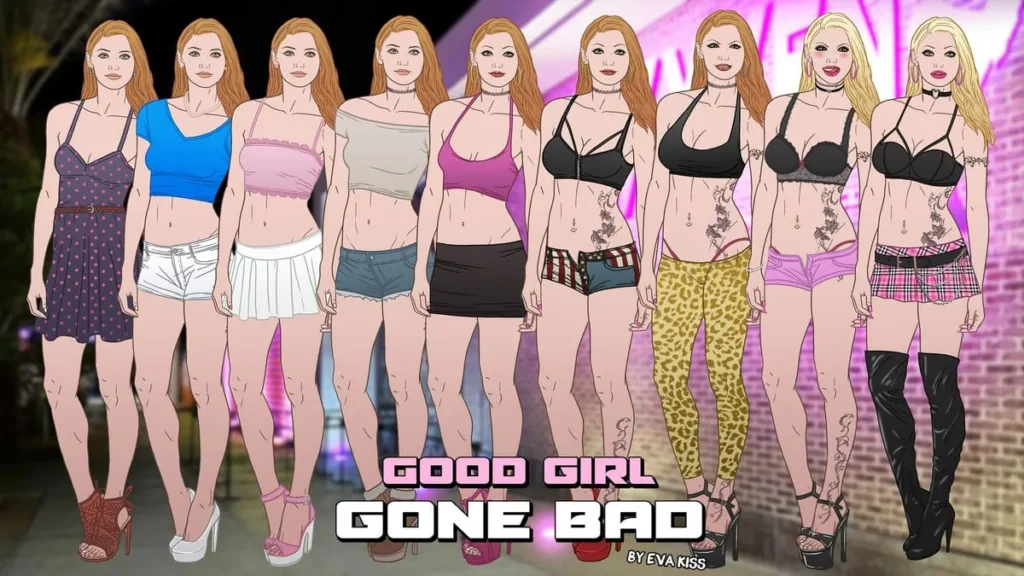




Good Girl Gone Bad review
Explore branching storylines, character choices, and endings in this adult visual novel
Good Girl Gone Bad is an interactive visual novel that puts you in control of Ashley’s destiny through meaningful choices that shape her journey. This adult-oriented game combines hand-crafted artwork with complex branching narratives, offering players the freedom to explore morally ambiguous storylines with vastly different outcomes. Whether you’re interested in understanding the game’s mechanics, character relationships, or the various paths available, this guide covers everything you need to know about navigating this choice-driven experience and discovering what kind of protagonist you’ll become.
Understanding Good Girl Gone Bad: Game Overview & Core Mechanics
So, you’ve heard the buzz about a certain visual novel where one choice can turn a quiet life into a whirlwind of drama, and you’re curious. Welcome to the world of Good Girl Gone Bad, a title that does exactly what it says on the tin but with far more depth and artistry than you might expect. 🎭 This isn’t just another click-through story; it’s a deeply personal journey where you hold the pen. Every decision, from a flirtatious glance to a defiant act, writes a new paragraph in the life of Ashley, the protagonist. If you’re ready to explore a world of interactive story outcomes shaped entirely by your will, you’re in the right place.
Let’s dive into what makes this Good Girl Gone Bad visual novel a standout experience and how you can navigate its thrilling, complex web.
What Makes This Visual Novel Unique
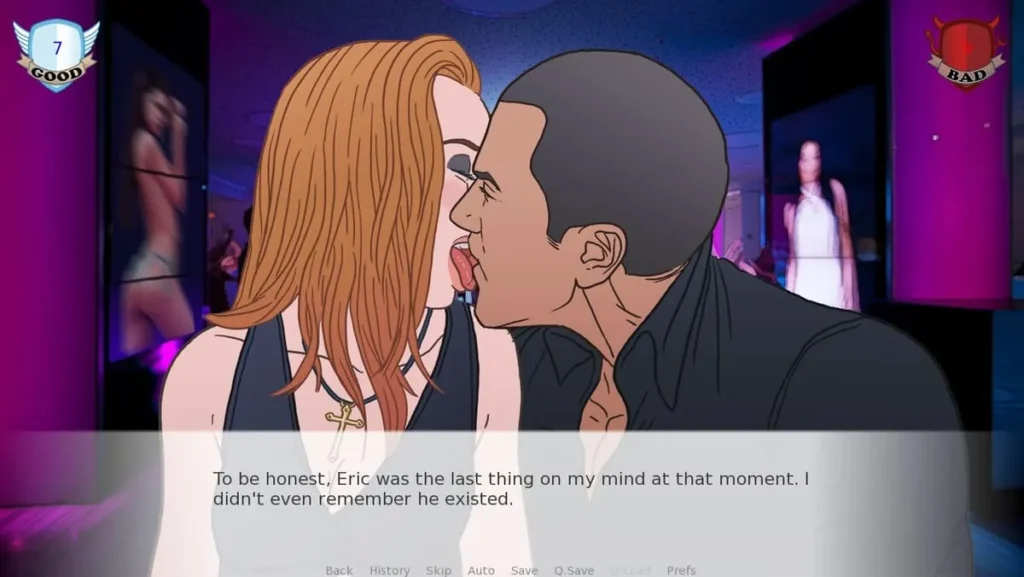
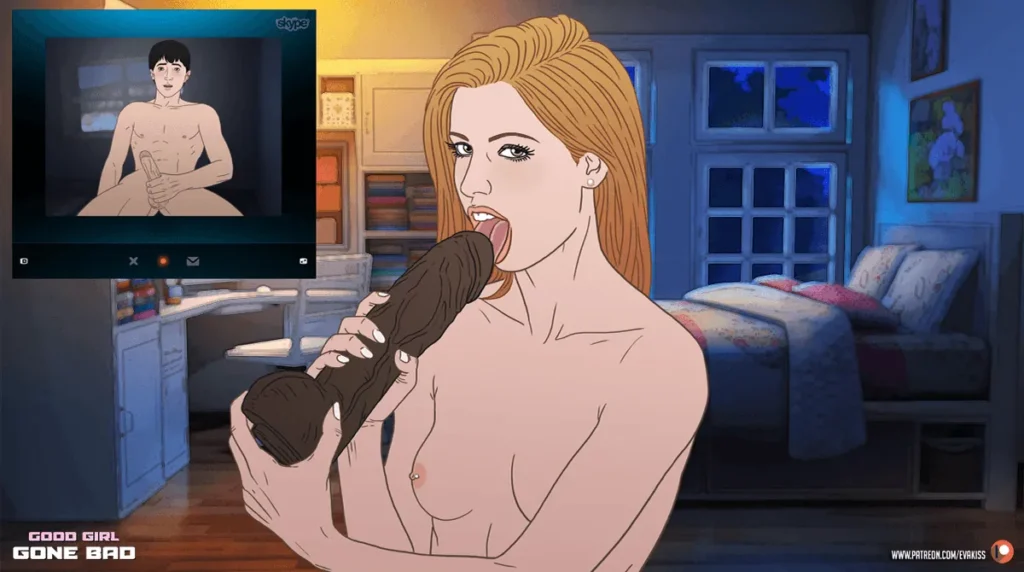
First things first: forget everything you think you know about typical adult games. Good Girl Gone Bad immediately sets itself apart with its stunning, hand-drawn visual novel art. In an era where many titles rely on similar-looking 3D models, this game feels like a living, breathing graphic novel. Every character, from Ashley herself to every love interest and side character, is crafted with a distinct, expressive style. The art isn’t just decoration; it’s a narrative tool. A raised eyebrow, a hesitant smile, a tearful glance—these subtle expressions sell the emotional weight of every scene, making the world feel tangible and the characters genuinely alive. ✨
At the heart of this world is Ashley. You don’t just watch her story; you are her. She starts from a relatable place of frustration—stuck in a mundane job, dealing with a lackluster boyfriend, and feeling the walls of her predictable life closing in. Her role as your avatar is perfectly crafted; she’s a blank slate filled with potential, reacting to your inputs without feeling like a puppet. The game’s genius is in presenting her “corruption” not as a single, evil turn, but as a series of understandable, often tempting, human choices. Maybe she’s seeking excitement, power, revenge, or just a sense of self she’s lost. The storylines are complex and often morally ambiguous, refusing to judge you for exploring paths that are selfish, reckless, or downright naughty. 😈
This leads us to the game’s true brilliance: its fearless embrace of adult game character choices that are about more than just titillation. The mature themes are woven into the fabric of Ashley’s liberation (or downfall, depending on your view). They explore power dynamics, self-discovery, manipulation, and the messy consequences of breaking societal rules. It’s a game that trusts its players to handle nuance, presenting scenarios that can feel empowering, shocking, poignant, or all three at once. The hand-drawn visual novel art style perfectly complements this, grounding even the most fantastical scenarios in emotional realism.
How Choices Shape Your Story Path
Alright, let’s talk about the engine that drives everything: the choice-driven gameplay mechanics. If you’re wondering how to play Good Girl Gone Bad, the answer is simple: pay attention, and choose with intention. This isn’t a game with a few major forks in the road; it’s a dense, interconnected forest of decisions. From the moment you start, you’re presented with options that feel small—what to wear, what to say, whether to drink that extra cocktail—but each one sends tiny ripples through the narrative pond.
The game masterfully tracks your reputation, relationships, and Ashley’s internal state. A decision to stand up to your boss in Chapter 2 might unlock a defiant dialogue option with your boyfriend in Chapter 4. A secret tryst might close off a path of innocence forever, while a moment of kindness could open an unexpected door later. The branching narrative storyline is so intricate that it genuinely supports replayability. I remember on my first playthrough, I tried to be a “mild rebel,” and ended up in a surprisingly sweet, if complicated, romance. On my second, I embraced pure chaos, and the story spun into a thrilling, dramatic mess that had me gasping at my own audacity. The game remembered everything.
Pro Tip: Don’t save-scum (constantly reloading to test choices) on your first play! The magic of Good Girl Gone Bad is living with your decisions and seeing the unique, sometimes messy, story you create. You can always replay for a different outcome.
To get the most out of these interactive story outcomes, you need to engage with the mechanics actively. Here are the key features that define the experience:
- The Cumulative Choice System: Every single selection matters. The game doesn’t just flag “big” decisions; it aggregates your small choices to determine Ashley’s personality traits (Shy, Confident, Slutty, Romantic, etc.), which then influence which story branches are available to you.
- Relationship Meters (Often Hidden): While not always displayed as a visible number, the game meticulously logs your standing with every character. A cutting remark can permanently damage a relationship, while consistent support can build unshakable loyalty.
- Point of No Return Moments: The narrative features key junctures where a major choice will lock you into a specific story arc, closing off other paths. These moments are often thrilling and carry significant weight.
- Contextual Awareness: The game’s logic is impressive. It knows if you’re lying, if you’re being inconsistent, and characters will react accordingly. Trying to be everyone’s friend often leads to being no one’s confidant.
- The “Corruption” Metric: At its core, the game tracks Ashley’s departure from her “good girl” persona. This isn’t a simple morality meter; it’s a measure of her willingness to break rules and embrace new desires, which unlocks entirely new scenarios and choices.
To visualize how different types of choices can lead to vastly different arcs, consider this breakdown:
| Choice Type | Example In-Game Decision | Potential Short-Term Outcome | Potential Long-Term Narrative Branch |
|---|---|---|---|
| Social/Flirtatious | Accept a drink from a charismatic stranger at a bar. | Immediate attraction, a fun conversation. | Unlocks a secret affair storyline; may increase “Confident” trait; could be discovered later, causing major drama. |
| Defiant/Aggressive | Tell your overbearing boss exactly what you think of him. | Feel a rush of empowerment, or get fired on the spot. | Opens a path of independence and risky career moves; may lead to a power-struggle dynamic with authority figures. |
| Kindness/Empathy | Help a friend in need, even at personal cost. | Strengthens that friendship, gains a trusted ally. | Leads to supportive, loyal story arcs; can provide crucial help in later crises; fosters “Romantic” or “Loyal” traits. |
| Deceptive/Secretive | Lie to your partner about where you were. | Avoids immediate confrontation, maintains status quo. | Begins a web of lies; increases “Deceptive” trait; leads to high-stakes scenarios where the truth threatens to unravel everything. |
Character Relationships & Branching Narratives
This is where the choice-driven gameplay mechanics truly sing—in the vibrant, messy, and dynamic relationships you build (or destroy). The branching narrative storyline of Good Girl Gone Bad is essentially a tapestry woven from your interactions with its rich cast. Each major character represents a different lifestyle, value system, and potential future for Ashley.
Your adult game character choices directly dictate the nature of these bonds. Pursue a character romantically, and you’ll unlock intimate, story-deepening scenes that explore both connection and desire. Antagonize them, and you might find yourself in a bitter rivalry full of sabotage and tension. Stay neutral, and you’ll witness a more background, yet still evolving, version of their life. The game excels at showing how your relationship with one person profoundly affects your relationship with another—jealousy, betrayal, and unlikely alliances are common themes. 🤝❤️🔥
Let’s look at how targeting your choices can alter these paths. The following table illustrates how different approaches to key characters can pivot the entire story:
| Character Archetype | Path of Connection (Friendly/Romantic) | Path of Conflict (Rivalry/Manipulation) | Core Theme of This Branch |
|---|---|---|---|
| The “Safe” Boyfriend (e.g., David) | Working on communication, nurturing a mature partnership. Leads to stable, sweet endings. | Passive-aggressive neglect, secret infidelities, explosive breakups. Leads to stories of liberation or bitter regret. | Security vs. Freedom; Comfort vs. Passion. |
| The “Bad” Influence | Embracing their hedonistic philosophy, becoming partners-in-crime. Leads to wild, unpredictable adventures. | Using them for thrills then discarding them, or trying to “reform” them, creating tension and betrayal. | Indulgence vs. Responsibility; Authentic Desire vs. Peer Pressure. |
| The Authority Figure | A complex dynamic blending professional ambition with forbidden attraction. Leads to power-share narratives. | Direct rebellion, workplace warfare, or cold manipulation for personal gain. Leads to stories of triumph or ruin. | Power Dynamics; Ambition; Subversion of Control. |
| The Genuine Friend | Maintaining a loyal, supportive bond through thick and thin. Provides a moral anchor and safe haven. | Taking them for granted, betraying their trust, or letting jealousy destroy the friendship. Leads to loneliness and consequence. | Loyalty; The Cost of Change; The Value of True Connection. |
Mastering how to play Good Girl Gone Bad involves understanding that these relationships are the primary channels for the plot. Want to explore a career in modeling? That path might be gated by your relationship with a connected photographer. Interested in the local party scene? Your access is controlled by your friendship (or more) with the social ringleader. The game brilliantly ties narrative progression to social capital.
This creates those coveted interactive story outcomes where no two playthroughs are alike. In one story, Ashley might become a confident business owner with a stable polyamorous relationship. In another, she might be a notorious socialite swimming in drama and scandal. In a third, she might find a simple, happy ending with one true love after several misadventures. The Good Girl Gone Bad visual novel provides the framework, but you provide the soul, the motivation, and the destiny.
In conclusion, Good Girl Gone Bad is more than a game; it’s a narrative playground built on a foundation of exceptional hand-drawn visual novel art and incredibly robust choice-driven gameplay mechanics. It respects your intelligence, offers real agency, and isn’t afraid to explore mature, complicated themes. By understanding that every click is a brick in your unique branching narrative storyline, you move from being a passive reader to an active author. So, step into Ashley’s shoes. Will you guide her toward cautious empowerment, unleash her most rebellious desires, or find a bittersweet middle ground? The story, and all its thrilling interactive story outcomes, awaits your first decision. 🚀
Good Girl Gone Bad delivers a unique experience by combining meaningful player choice with complex character relationships and a sophisticated progression system. The game’s strength lies in its ability to create vastly different narratives based on your decisions, whether you pursue a path of virtue or temptation. Understanding the mechanics—from the points system to outfit selection and relationship dynamics—empowers you to craft the story you want to experience. With its hand-drawn art style and commitment to narrative coherence, this visual novel offers players genuine agency in shaping Ashley’s journey. If you enjoy interactive storytelling where your choices genuinely matter and lead to distinct outcomes, Good Girl Gone Bad provides the depth and freedom to explore multiple playthroughs and discover new story branches with each decision.